Tips for Choosing Alpharetta top Roofing Company for Professional Service
Tips for Choosing Alpharetta top Roofing Company for Professional Service
Blog Article
Trustworthy Roofing Company: Quality Roofing Solutions You Can Depend On
A credible roofing company plays an fundamental role in maintaining the stability of a home. First-rate roofing approaches guarantee longevity and defense against climatic elements. Homeowners often neglect the weight of choosing the right specialist. However, realizing the critical qualities and benefits offered can make a significant difference. What should one reflect on when identifying a roofing partner? The answers may disclose more than expected.
Why a Dependable Roofing Firm Matters for Your Home
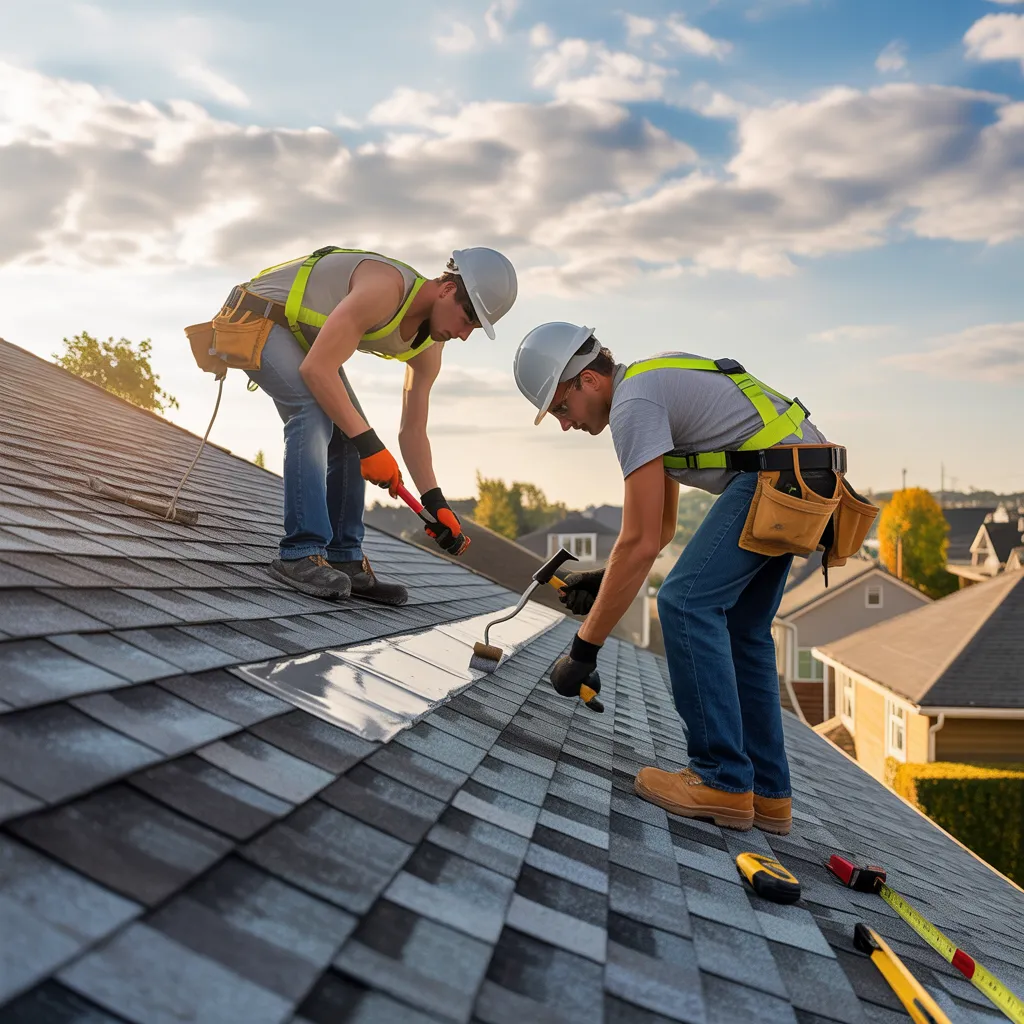
When homeowners consider the significance of their roofs, they often overlook the critical role a trustworthy roofing company plays in protecting their investment. A dependable contractor guarantees that roofing materials are placed properly, following industry standards and local building codes. This not only improves the roof's durability but also shields against water damage, mold growth, and structural issues.
Furthermore, a reliable roofing company offers warranties on both supplies and craftsmanship, giving homeowners assurance. They also perform extensive inspections, uncovering potential problems early, which can spare homeowners from expensive repairs down the line.
In a business environment where performance can change substantially, picking a trustworthy roofing company can make the difference between a enduring roof and recurring headaches. Ultimately, dedicating resources to a trustworthy contractor is a important step in upholding the integrity and security of a home.
Important Characteristics to Evaluate in a Roofing Contractor
Hiring a roofing specialist requires meticulous review of important features that guarantee trustworthiness and competence. Above all, a respected professional should hold valid licensing and insurance, ensuring compliance with local regulations and liability safeguards. Experience is another crucial element; established contractors typically have a verified history of successful projects and satisfied clients.
Also, strong speaking and listening abilities are important, as they facilitate meaningful discussions about project expectations and timelines. The contractor should also provide extensive written estimates, allowing homeowners to understand costs upfront. In addition, a determination to applying excellent resources reflects a dedication to long-lasting performance.
In conclusion, favorable customer reviews and word-of-mouth referrals represent indicators of the contractor's trustworthiness and professionalism. By prioritizing these vital characteristics, homeowners can select carefully when choosing a roofing contractor, ultimately guaranteeing a successful roofing project.
Key Points to Discuss with Roofing Companies?
What critical inquiries should property owners ask to roofing contractors to establish an effective relationship? First, they should ask about the company's insurance and licensing. This guarantees that the contractor satisfies local requirements and is protected against potential liabilities. Next, homeowners should ask about the warranties offered on both materials and workmanship, as this demonstrates the company's commitment to quality.
In addition, it's critical to solicit references from previous clients. This can supply knowledge into the company's trustworthiness and workmanship. Homeowners should also discuss the timeframe for finishing the work, verifying it coincides with their desires.
Finally, inquiring about the materials employed and their durability can assist homeowners in making knowledgeable choices. By tackling these critical questions, homeowners can foster a transparent dialogue, ultimately leading to a reliable and efficient roofing partnership.
Examining Roof Assessments
In what ways can property owners effectively analyze roofing reviews to choose wisely? Examining feedback requires a structured method. First, they should consider the general score and the quantity of ratings. A high rating with many ratings often indicates reliability. Property owners should search for detailed feedback regarding workmanship, timelines, and customer service. Favorable feedback that describe the project experience provide greater understanding than vague compliments.
On the other hand, adverse reviews should be analyzed for trends. If multiple customers note comparable issues, it may signal a ongoing problem. Homeowners should also check the responsiveness of the company to negative feedback, as this demonstrates their commitment to customer contentment.
Also, employing established sites that validate reviews can enhance credibility. To conclude, homeowners might solicit suggestions from friends or family, blending online reviews with personal experiences. By following these steps, homeowners can traverse roofing reviews effectively and select a trustworthy contractor.
Residential Roofing Alternatives
Residential roofing possibilities comprise a selection of materials and styles, each created to satisfy distinct requirements and tastes. Common options feature asphalt shingles, known for their cost-effectiveness and ease of installation, and metal roofing, which provides durability and energy efficiency. Tile roofs, often selected for their beauty, deliver longevity and are resilient to harsh weather conditions. Additionally, slate roofing presents a premium option, esteemed for its elegance and resilience. For environmentally conscious homeowners, options like green roofs and solar shingles are increasingly popular, fostering sustainability. Each roofing material comes with its own set of advantages, helping homeowners to select the best fit for their climate, budget, and architectural style. Ultimately, the right choice boosts both functionality and curb appeal.
Commercial Roof Solutions
Commercial roofing solutions provide a range of expert solutions adapted to satisfy the unique demands of business operations and industrial facilities. These services include the execution of various roofing systems such as TPO, EPDM, and PVC, each designed to provide durability and energy efficiency. Flat roofing solutions are standard in commercial settings, offering a practical approach for large building see information on this expanses. Additionally, commercial roofing may comprise the deployment of coatings that enhance longevity and reflectivity, reducing energy costs. Regular maintenance programs are also essential, promising roofs maintain peak condition and extend their lifespan. Assessing the specific needs of different commercial structures allows roofing companies to furnish effective solutions that promise safety and compliance with industry standards.
Roof Restoration Services
Extensive roof repair solutions are available to resolve the varied challenges that can arise over time. Homeowners commonly face challenges such as leaks, missing shingles, and damaged flashing, which demand swift attention. Standard repair services consist of patching leaks, replacing broken or missing shingles, and sealing areas susceptible to water intrusion. Moreover, many companies present preventive services, such as inspections and cleaning, to extend roof life and identify potential issues before they intensify. For severe damage, comprehensive roof replacements may be mandatory. Each solution is tailored to the specific needs of the roof's condition, guaranteeing homeowners obtain effective and reliable service. By opting for the right repair service, property owners can maintain the integrity and longevity of their roofs.
The Advantages of Routine Roof Maintenance and Inspections
While many property owners may ignore the importance of roof maintenance, routine checks play an vital role in extending the life of a roof. Routine checks can detect minor issues before they escalate into expensive damage, guaranteeing the roof remains in good condition. Moreover, consistent upkeep improves energy efficiency by preventing leaks and drafts, ultimately reducing utility costs.
Furthermore, a well-maintained roof can increase property value, making it more attractive to potential buyers. Inspections often include gutter cleaning and debris removal, which prevents water damage and mold growth. Homeowners who invest in regular maintenance also benefit from extended warranties on roofing materials, as manufacturers typically require documented upkeep.
Basically, emphasizing roof maintenance not only secures the home but also supplies comfort. By sustaining a proactive approach, homeowners can delight in a strong and reliable roof for years to come.
Common Inquiries Asked Often
What Duration Does a Standard Roofing Project Need to Complete?
A everyday roofing project typically takes one to several days to finish, relying on factors such as the area of the roof, the elaborateness of the design, and environmental factors shaping the work.
Which Warranties Pertain to Materials for Roofing and Workmanship?
The majority of roofing materials include warranties ranging from 20 to 50 years, while labor warranties typically last 1 to 10 years. These warranties guarantee coverage against flaws and workmanship issues, providing homeowners with peace of mind.
Do financing options exist for roof services?
Roofing contractors typically provide payment solutions, including payment plans and credit-based financing, to support customers manage costs. These solutions can vary, so it's advisable for clients to question exact programs and conditions.
How Can I Determine if My Roof Requires Replacement?
Signs that a roof needs replacing include absent shingles, leaks, substantial granule deterioration, noticeable sagging, and age surpassing 20-25 years. A professional inspection can provide a conclusive determination of the roof's condition.
What Safety Protocols Do You Use During Roofing Projects?
As part of roofing projects, the team puts into place protective protocols including harnesses, hard hats, and scaffolding. They hold regular safety briefings and make certain appropriate gear is used, prioritizing worker safety while decreasing risks associated with roof work.
Report this page